
 VSA Signature Blends
 Powder spices
 Whole Spices
What is Panchphoron? The 5-Spice Bengali Blend Every Kitchen Needs
If you have ever watched Bengali cooking, you know that moment. A small handful of mixed seeds hits hot mustard oil and the kitchen is suddenly, completely alive — sharp, earthy, sweet, all at once. That is panchphoron doing its job.
Outside of Bengal and the eastern states, this spice blend does not get the attention it deserves. Most people outside the region have either never heard of it or vaguely know it exists but have never actually cooked with it. That is worth fixing.
What is Panchphoron?
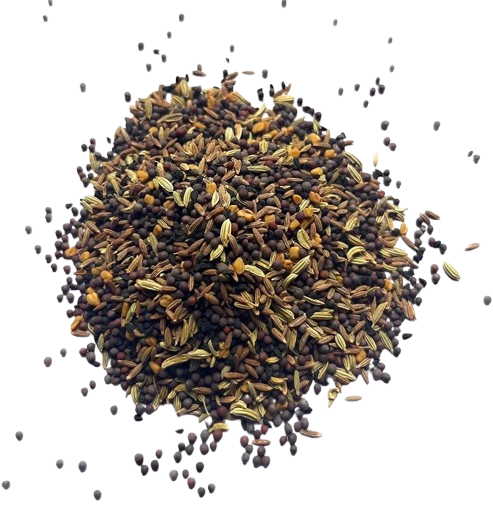
Panchphoron — also spelled panch phoron, panch phoran, or panchforon — is a whole spice blend made of five seeds, always kept whole and never ground. The name is straightforward: paanch means five in Bengali, and phoron means tempering.
The five seeds are:
- Kalonji (Nigella Seeds) — small, jet black, with a faintly peppery, onion-like flavour
- Methi (Fenugreek Seeds) — golden, slightly bitter, adds depth
- Saunf (Fennel Seeds) — greenish, sweet, with a mild liquorice note
- Rai (Mustard Seeds) — brown or black, nutty and sharp when they pop
- Jeera (Cumin Seeds) — earthy and warm, the most familiar of the five
These five seeds are mixed together — traditionally in equal parts — and used as a tempering base at the very start of cooking.
What sets panchphoron apart from something like garam masala is that it is strictly a whole spice blend. The seeds are never powdered for everyday use. They go into hot oil or ghee, bloom, and release their flavour into everything that follows.
Where Does Panchphoron Come From?
Panchphoron belongs to eastern India — West Bengal primarily, but also Odisha, Assam, Bihar, and the neighbouring countries of Bangladesh and Nepal. It is not a blend you will find used the same way in North or South Indian cooking. It has a geography, and that regionality is part of its identity.
In Bengali households, it is not an occasional spice — it is a daily staple. There is almost always a small jar of it near the stove, used for everything from simple dal to fish curry to pickles. The word phoron itself refers to the technique of tempering whole spices in oil, which is foundational to how Bengali food builds its flavour.
What Does Each Seed Bring to the Blend?
It is worth understanding what each seed actually contributes, because they are not interchangeable — each one has a distinct role.
Kalonji gives panchphoron its most distinctive character. The flavour is hard to describe without tasting it — slightly savoury, faintly pungent, a little onion-like. It is the seed that makes panchphoron smell unmistakably like itself.
Methi is the bitter one, and intentionally so. A controlled amount of bitterness prevents the blend from tasting flat or too sweet. Some cooks reduce the methi quantity slightly if they find it overpowering — that is entirely a matter of preference.
Saunf contributes sweetness and a gentle floral note. It keeps the blend from becoming too sharp and is a big part of why panchphoron smells so appealing the moment it hits a hot pan.
Rai adds heat and that characteristic popping and splattering when it meets oil. Whole mustard in this form is nuttier and less aggressive than mustard powder — it works as a base note rather than a dominant flavour.
Jeera is the anchor. Familiar, warm, earthy — it ties the other four together and keeps the overall profile grounded. Without it, the blend would feel incomplete.
Together, these five seeds create something layered and balanced. No single seed is supposed to dominate. That balance is the point.
How is Panchphoron Used in Cooking?
Panchphoron is a tempering spice, which means it goes into hot oil or ghee at the very beginning of cooking — before the vegetables, before the dal, before anything else.
The method is simple: heat mustard oil or ghee in a pan until it shimmers. Add about a teaspoon of panchphoron. Within 10 to 15 seconds, the seeds will start to pop and crackle. Once the mustard seeds settle down, add your next ingredient immediately.
That 15-second window is where all the flavour development happens. The seeds release their essential oils into the oil, and everything cooked in that oil picks up the aroma from the base.
Classic Bengali dishes that use panchphoron:
- Aloo Posto — potatoes cooked in a poppy seed paste, tempered with panchphoron. One of the most iconic dishes in Bengali home cooking.
- Bengali Dal — yellow or red lentils, typically finished with a panchphoron tadka in mustard oil
- Cholar Dal — split Bengal gram with coconut, almost always with a panchphoron base
- Labra — a mixed vegetable medley made during Durga Puja, inseparable from panchphoron
- Shorshe Ilish — hilsa fish in mustard sauce, often with panchphoron in the base
- Uchche Bhaja — bitter gourd stir-fried with panchphoron and green chillies
- Achar and Chutneys — pickles across eastern India commonly use panchphoron as their spice backbone
One thing Bengali cooks often point out: panchphoron works best in niramish preparations — dishes made without onion or garlic. The assertive, layered flavour of the blend does not need onion to carry the dish. In fact, strong onion can actually mask what panchphoron brings. If you want to get the most out of the blend, cook with it in a simple potato preparation or dal first.
What to Keep in Mind When Buying Panchphoron
Since panchphoron is a whole spice blend, quality shows up differently than it would with a powder. Here is what actually matters when you are buying it:
The seeds should smell alive. Open the packet and the aroma should hit you immediately. If the seeds smell flat or faintly stale, they will not bloom properly in oil and the whole point of tempering is lost.
Each seed should be visually distinct. A good panchphoron will have clearly identifiable kalonji, methi, saunf, rai and jeera — different shapes, colours, and sizes. If everything looks the same colour or heavily processed, something has been done to it that should not have been.
No added colour or bleaching. This is more common than people realise. Some commercially packaged blends use colour to make seeds look uniform or more visually appealing. Whole spices do not need colour. If it is listed in the ingredients, skip it.
No preservatives. Whole seeds at the right moisture level store well without chemical help. Preservatives in a dry spice blend are a quality signal worth noting.
Check FSSAI compliance. For any food product sold in India, FSSAI certification is the minimum baseline for safety. Always check the label before buying.
Frequently Asked Questions
Panchphoron contains five whole seeds — kalonji (nigella), methi (fenugreek), saunf (fennel), rai (mustard), and jeera (cumin). These are always kept whole and never ground. Each seed brings a different flavour note, and together they create a balanced tempering base that is the foundation of Bengali cooking.
Garam masala is a powdered spice blend used mid-cooking or at the end for aroma. Panchphoron is a whole seed blend used only for tempering — it goes into hot oil at the very start of cooking. The two blends also use completely different spices. Garam masala is used across most of India; panchphoron is specific to eastern Indian cuisine, particularly Bengali cooking.
Heat mustard oil or ghee in a pan until it shimmers. Add about one teaspoon of panchphoron and let the seeds crackle for 10 to 15 seconds. Once the mustard seeds stop popping, add the next ingredient immediately. The seeds should never be added to cold oil — they need heat to release their oils and flavour the dish properly.
Yes. While panchphoron comes from Bengali cuisine, the technique of whole spice tempering works across many dishes — dal, roasted vegetables, potato preparations, and even pickles. Once you understand how the blend behaves in hot oil, you can apply it to any recipe that benefits from a complex aromatic base at the start of cooking.
Stored in an airtight container away from direct sunlight and moisture, whole panchphoron holds its potency for up to 12 months. Because the seeds are kept whole rather than ground, the shelf life is significantly longer than powdered spice blends. The easiest test — open the jar. If the seeds still smell sharp and alive, they are good to use.
Mustard oil has a high smoke point and a strong, distinctive flavour that pairs naturally with the seed profile of panchphoron. Traditional Bengali recipes are almost always cooked in mustard oil, and the two work together in a way that ghee or refined oil does not quite replicate. Ghee is an acceptable alternative, especially for milder dishes, but mustard oil is the traditional and more flavourful choice.
No, they are completely different blends from different culinary traditions. Chinese five spice typically contains star anise, cloves, cinnamon, Sichuan pepper, and fennel seeds — all warm, sweet, and anise-forward. Panchphoron is an Indian whole seed blend of kalonji, methi, saunf, rai, and jeera. The only shared ingredient is fennel seeds, and even the way they are used is entirely different.
Is Panchphoron Only for Bengali Cooking?
Not at all, though that is where it comes from and where it is best understood.
The technique of whole spice tempering is universal. Once you know how to use panchphoron — hot oil, let the seeds pop, proceed — you can apply it to roasted vegetables, simple potato dishes, scrambled eggs, or even popcorn. The aromatic base it creates is not specifically Bengali in outcome; it just happens to have been developed there.
If you cook any kind of Indian food regularly and you have never kept panchphoron in your pantry, it is worth trying. Whole spice blends also have a practical advantage: stored properly in an airtight container away from sunlight, panchphoron holds its potency for up to a year — significantly longer than any ground spice blend.
Start with a simple Bengali dal or an aloo preparation. Let the seeds do what they do. You will understand immediately why Bengali kitchens have not changed this formula for generations.
Looking to try panchphoron? Pick up [VSA Naturals Panchforan →] — whole cleaned seeds, FSSAI certified, directly from the manufacturer.