
 VSA Signature Blends
 Powder spices
 Whole Spices
Signs of Low-Quality Masala (And How to Spot Them Before You Cook)
You’ve followed the recipe exactly. Same ingredients. Same quantities. Same method. But the dish still feels off — missing that depth, that warmth, that something.
More often than not, the problem isn’t your cooking. It’s your masala.
In India’s spice market, quality varies dramatically — even between products that look identical on the shelf. Flashy packaging and bold label claims don’t always reflect what’s inside. The real difference shows up in your kitchen, once you open the packet and start cooking.
The good news? You don’t need a lab to identify low-quality masala. There are five practical signs you can check yourself — at home, before you cook, and even at the point of purchase.
The Colour Is Different Every Time You Buy the Same Product
Good masala should look consistent. If you’ve been buying the same brand for months and notice the colour shifting — one batch deep red, the next pale orange, or one turmeric powder bright yellow and the next almost beige — that’s not seasonal variation. That’s a quality control problem.
Colour consistency in masala comes from two things: the quality of raw spice sourcing and the precision of the grinding and blending process. When a manufacturer sources spices from reliable, consistent suppliers and controls the processing environment properly, the colour of their product stays stable batch to batch.
When those systems are weak — inconsistent suppliers, poor batch monitoring, variable moisture during processing — the colour drifts. And that visual inconsistency is a direct reflection of what’s happening to the flavour and potency as well.
What to do: Next time you finish a packet of masala and open a new one, compare them side by side in natural light. If there’s a noticeable colour shift, take note. One variation could be coincidence. A recurring pattern is a signal.
The Aroma Fades Within Weeks of Opening
Here’s a simple test: open a freshly purchased packet of masala and smell it. Then smell it again three weeks later. With a good-quality masala, the aroma should still be vivid, layered, and immediately recognisable. It may soften slightly, but it should hold.
With low-quality masala, the smell fades noticeably fast — sometimes within a week or two of opening. What was once fragrant becomes dull and flat.
Why does this happen? Spice aroma comes from volatile oils — compounds that develop naturally during the spice’s growth and are preserved through proper drying, grinding temperature control, and packaging. Poor-quality spices are often over-processed at high temperatures, which strips these oils out before the product even reaches you. Weak sourcing — using old stock, improperly dried raw material, or low-grade varieties — reduces the volatile oil content right from the start.
Once those oils are gone, they don’t come back. No amount of cooking time will restore lost aroma.
What to do: Store your masala in a cool, dry place away from direct sunlight and heat. Good masala stored correctly should hold its aroma for months. If it smells flat within weeks despite proper storage, the problem started at the source.
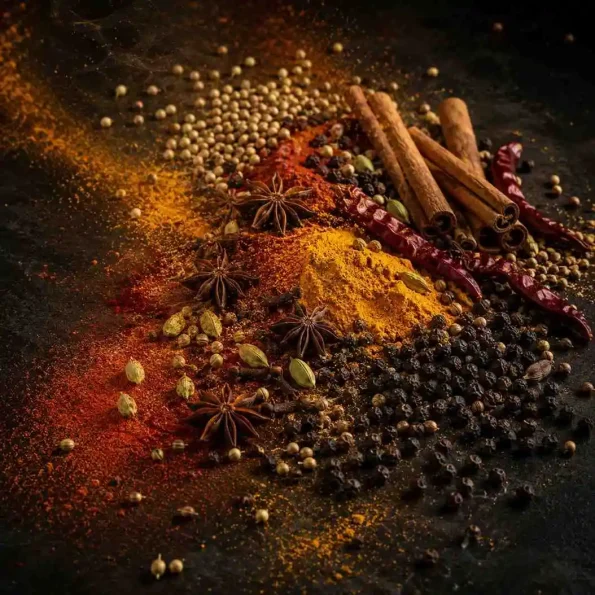
The Texture Is Too Coarse, Uneven, or Clumpy
Run a pinch of masala between your fingers. It should feel fine, consistent, and smooth — not gritty, not lumpy, not like it has chunks mixed in with powder.
Uneven texture is a sign of poor processing. Proper grinding requires well-maintained machinery running at the right speeds and temperatures, followed by careful sieving to ensure a uniform particle size. When that process is inconsistent — or skipped — you end up with a mix of coarse and fine particles in the same packet.
Clumping is a separate but equally telling issue. It usually means the masala has been exposed to moisture — either during processing (incomplete drying of raw spices), during packing (poor humidity control), or after opening (inadequate sealing). Once moisture enters the product, it affects texture, taste, and shelf life.
What to do: When assessing a new masala, pour a small amount onto your palm and rub it gently. Uniform, smooth texture = good processing. Gritty or clumped = something went wrong at the factory or in storage.
The Taste Is Sharp but Flat — No Depth
This one requires cooking to discover, but it’s perhaps the most important sign of all.
Low-quality masala often tastes sharp on first contact — pungent, maybe even aggressive — but that’s where the experience ends. There’s no follow-through. No warmth building in layers. No complexity that develops as the dish cooks. Just one-note heat and then nothing memorable.
Good masala has what chefs call depth. The initial impact is there, but so is a mid-note and a finish. Coriander’s earthiness. Cumin’s warmth. Cardamom’s floral sweetness. These don’t shout — they build, layer on layer, throughout the cooking process and even on the palate while eating.
This flavour complexity comes from using the right varieties of raw spices, sourcing them at the right maturity, and blending them in calibrated ratios. When manufacturers cut corners on sourcing, substitute cheaper varieties, or use old stock, they can achieve heat — but never depth.
What to do: Pay attention not just to how bold your masala tastes, but how it evolves. Does your curry get more interesting as it cooks, or does it just get spicier? Depth is the marker of good spice. Sharpness alone is just noise.
The Packaging Has No Batch Date or Is Poorly Sealed
Before you even open the packet, the packaging tells you a great deal.
Any serious spice brand — regardless of size — will print a manufacturing date, a best-before date, and a batch number on every packet. These aren’t just regulatory requirements. They reflect that the manufacturer tracks what goes into each batch, when it was made, and how long it should be used within. That traceability is a sign of a brand that takes quality seriously.
Check the seal as well. Masala packaging should be tight and airtight. Loose seals, poorly heat-fused edges, flimsy pouches, or lids that don’t close properly are red flags — not just for hygiene, but for the product inside. A packet that isn’t properly sealed has been allowing air and moisture in from the day it was packed.
Unbranded or locally sourced masalas without batch information are a particular concern. No traceability means no accountability — and no way to know when the product was made, what went into it, or how it’s been stored along the supply chain.
What to do: Before purchasing, flip the packet and look for: manufacturing date, best-before date, and a batch or lot number. Check the seal is intact. These take ten seconds to verify and can save you from a disappointing meal — or worse.
A Quick Reference: 5 Signs at a Glance
| Sign | What You'll Notice | What It Tells You |
|---|---|---|
| Inconsistent colour | Different shade every purchase | Poor raw material sourcing or process control |
| Fast-fading aroma | Smells flat within weeks | Over-processing or weak volatile oil content |
| Uneven texture | Gritty, clumpy, or inconsistent grind | Poor grinding process or moisture exposure |
| Sharp but flat taste | Heat with no complexity | Low-grade spice varieties or incorrect blending |
| Poor packaging | No dates, weak seal | No quality traceability or serious brand process |
What Good Masala Actually Looks Like
Real quality in masala comes from a clear chain: fresh raw material sourced from the right growing regions, dried and cleaned to the right standard, ground at controlled temperatures to preserve volatile oils, blended in tested ratios, sealed in packaging that keeps freshness intact, and stamped with batch information that reflects genuine traceability.
It’s not complicated — but it requires consistent investment in process and sourcing. Brands that cut corners at any of these stages will show the signs listed above. Brands that don’t will give you a product that cooks beautifully, holds its aroma, and delivers the same quality every time you open a new packet.
At VSA Masala, every product is built on exactly this approach — consistent sourcing, controlled processing, and honest packaging — so you know what you’re getting before you even open the pack.
Frequently Asked Questions
Check the packaging first — look for a manufacturing date, best-before date, and a batch number. If buying in-store, observe the colour for uniformity. Once opened, the aroma should be vivid and hold for several weeks with proper storage.
Colour inconsistency usually points to sourcing variability — different suppliers, different spice grades, or different harvest seasons without compensatory blending adjustments. It can also happen due to variable processing conditions. A reliable brand maintains colour consistency through standardised sourcing and processing.
A quality masala stored in an airtight container away from heat and sunlight should hold its aroma for 2–4 months after opening. If it smells flat within 2–3 weeks, the volatile oil content was likely poor from the start.
Clumping after the packet has been open for a long time can happen even with good masala if stored in a humid environment. But clumping in a freshly opened packet almost always indicates moisture exposure during processing or packing — which is a quality issue.
Spicy refers to heat intensity, which can be achieved with any grade of chilli. Flavourful refers to complexity — the layered taste that comes from well-sourced, correctly blended spices. Good masala delivers both. Low-quality masala often gives you heat with no accompanying depth.
Final Thought
Your cooking is only as good as what goes into it. Masala isn’t just a flavouring agent — it’s the foundation of everything you make. The five signs above are practical, observable, and verifiable without any specialist knowledge. Use them.
And when you find a brand that passes every check — consistent colour, lasting aroma, smooth texture, layered taste, and honest packaging — that’s a brand worth staying with.
Explore the VSA Masala range and discover what consistent, quality-controlled spices actually taste like in your kitchen.